
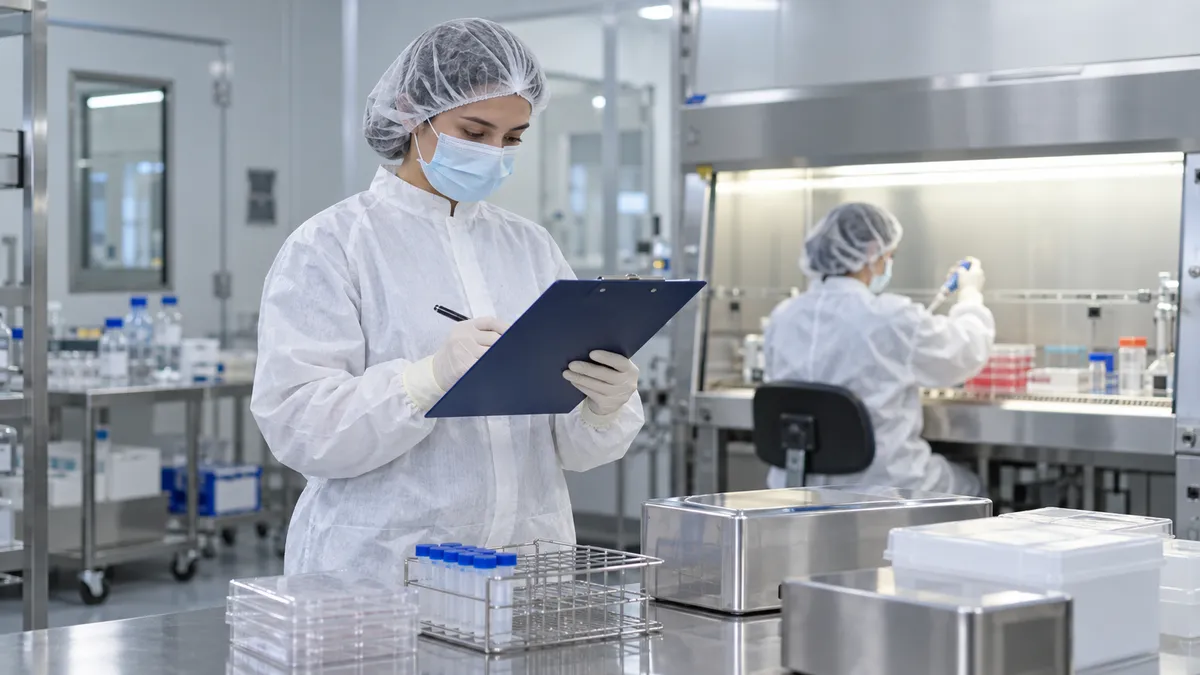
Choosing a regenerative medicine provider means trusting that provider with genuinely important decisions about your health. We believe that trust should be earned through transparency, not assumed. This page explains how we think about clinical evidence, what distinguishes established use from investigational research, the risks involved, and how we document and uphold patient safety throughout treatment.
Established Use Versus Investigational Use: A Distinction Worth Understanding
Not every application of stem cell and regenerative therapy sits at the same stage of scientific development. Some uses are better supported by accumulated clinical experience and published research than others, and understanding this distinction genuinely matters before any treatment decision.
| Category | What It Generally Means |
| More established applications | Areas with a longer track record of clinical use and a larger body of published evidence, though “established” does not mean guaranteed outcomes for every patient |
| Investigational or emerging applications | Areas where research is ongoing, evidence is still accumulating, and outcomes are less predictable across patients |
We believe every patient deserves to know, honestly, where their specific condition and proposed treatment sits on this spectrum, rather than having every application presented with the same level of confidence regardless of how much evidence actually supports it.
How We Approach the Evidence Hierarchy
Medical evidence is not uniform. Different types of studies carry different levels of confidence, and understanding this hierarchy helps put any specific claim into proper context.
- Case reports and case series, describing individual patient outcomes, which are useful for generating hypotheses but carry limited ability to prove general effectiveness
- Observational studies, tracking outcomes across groups of patients without a controlled comparison group
- Controlled clinical trials, comparing treatment outcomes against a control group under structured conditions
- Systematic reviews and meta-analyses, synthesising findings across multiple studies to build a more complete picture
When we discuss a specific condition with you, we aim to be clear about what level of evidence actually exists for that specific application, rather than presenting all information with equal certainty regardless of its underlying source.
Understanding the Risks Involved
Regenerative therapy, like any medical intervention, carries genuine risks that should be discussed openly before any decision is made.
General risks associated with cell-based therapies can include:
- Injection or infusion site reactions, such as discomfort, swelling, or bruising
- Immune-related responses, which vary depending on the specific cell source and preparation method used
- Infection risk, which is why sterile processing and handling standards matter significantly
- Individual variation in response, meaning outcomes are not uniform or guaranteed across patients
- Risks specific to the individual patient’s health history, which is why a thorough pre-treatment assessment matters
We discuss these risks specifically in relation to your own health history during your assessment, rather than presenting a generic risk statement disconnected from your actual situation.
Our Regulatory and Quality Documentation
Our facility operates under oversight aligned with Malaysia’s National Pharmaceutical Regulatory Agency, and our cell cultivation processes are designed around international quality standards, including current Good Manufacturing Practice and current Good Tissue Practice principles.
What this documentation generally covers:
| Documentation Area | What It Verifies |
| Facility certification | Confirms our cultivation lab meets recognised regulatory and quality standards |
| Cell traceability records | Confirms a 24-hour tracking system linking specific cells to specific patients |
| Third-party testing | Confirms cell quality and safety are verified by parties independent of our own facility |
| Sterile processing protocols | Confirms cultivation occurs within a controlled, cleanroom environment |
We recently published guidance on how patients in Malaysia can independently verify a cell therapy facility’s credentials, a topic we believe every patient researching regenerative treatment should understand, regardless of which specific provider they ultimately choose.
Why Regulatory Documentation Matters So Much in This Field
Regenerative medicine has, unfortunately, attracted providers operating without proper credentials in various markets, including Malaysia. This is precisely why we believe patients should feel empowered to ask direct questions about facility certification, rather than assuming legitimacy based on marketing presentation alone. A facility’s willingness to clearly explain and document its regulatory standing is, in itself, a meaningful signal worth paying attention to.
How We Handle Reporting Concerns
Patient safety does not end once treatment is administered. We believe in maintaining open channels for patients to raise concerns at any point in their care.
If you have a concern during or after treatment, our process generally involves:
- Direct communication with your treating team, who can address immediate questions or concerns
- Formal documentation of any reported adverse event, ensuring concerns are properly recorded, not just discussed informally
- Follow-up assessment, where appropriate, to evaluate and address the specific concern raised
- Transparent discussion of findings, so you understand what was investigated and what was found
What We Ask of Every Prospective Patient
Before any treatment decision, we encourage every prospective patient to request their own copies of relevant facility documentation, ask specifically about the evidence base for their particular condition, and take the time needed to make a genuinely informed decision, rather than feeling pressured toward a quick commitment.
A Note on How We Present Information
We aim to describe our treatments and the evidence supporting them accurately, avoiding language that implies guaranteed outcomes or presents investigational applications as though they carry the same certainty as more established medical treatments. If you ever feel information presented to you sounds overly certain or difficult to verify, we would genuinely encourage you to ask us directly for clarification, or to seek a second opinion before proceeding.
Frequently Asked Questions
1. Does 23C Regen operate under Malaysian regulatory oversight?
Yes, our facility operates under oversight aligned with Malaysia’s National Pharmaceutical Regulatory Agency, with quality processes designed around recognised international standards for cell cultivation and handling.
2. Is every condition treated with the same level of supporting evidence?
No, evidence varies by condition and application. We aim to clearly explain where your specific situation sits on the evidence spectrum, rather than presenting every application with equal certainty.
3. What should I ask before starting treatment?
Ask about the evidence base for your specific condition, the risks relevant to your health history, and request to see relevant facility certification and documentation before proceeding with any decision.
4. How are cells tracked throughout the treatment process?
We maintain a 24-hour traceability system, linking specific cells to specific patients, supporting both quality control and the ability to investigate any concern that may arise.
5. What happens if I have a concern after my treatment?
We encourage direct communication with your treating team, followed by formal documentation and, where appropriate, further assessment and transparent discussion of any findings.
6. How can I independently verify a cell therapy facility’s credentials in Malaysia?
We have published guidance on this topic specifically, since unauthorised facilities have operated in this space. We encourage every patient to understand how to verify credentials themselves.
7. Does published evidence guarantee a specific outcome for my condition?
No, evidence informs the likelihood and general pattern of outcomes observed in research, but individual results vary, and no legitimate provider can guarantee a specific outcome for any patient.
8. Can I request a second opinion before committing to treatment?
Yes, we genuinely encourage this. Taking time to make an informed decision, including seeking independent perspectives, is a reasonable and supported part of our patient process.
Discuss Your Specific Situation With Our Team
Understanding the evidence and safety picture for your specific condition starts with an honest conversation. Request an assessment to discuss your records and suitability directly with our team.